

Key takeaways
- Budget tier: Suizan ryoba or 6 inch dozuki. Reviewers describe them as the best entry points, with replaceable blades.
- Mid-range tier: Gyokucho 372 dozuki, Z-Saw dozuki, or a Suizan kataba for deeper cuts.
- Premium tier: Gyokucho Razorsaw ryoba upgrades or multi-saw sets. These are for people who already use pull saws and want finer tooth quality.
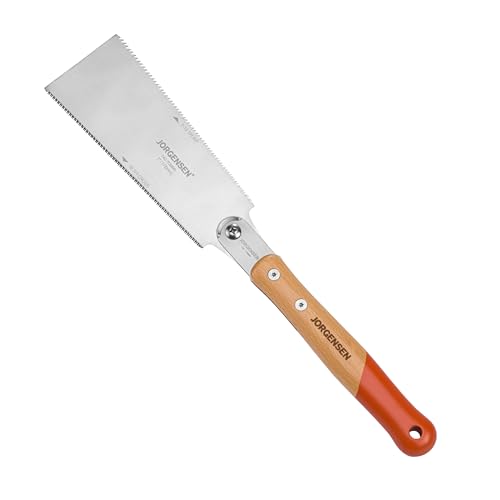
If you buy only one Japanese pull saw, make it a 9.5 inch ryoba such as the Suizan, which several review outlets name as the best starting point; add a dozuki like the Gyokucho 372 or a Z-Saw dozuki when you begin cutting dovetails and tenons, and a kataba when you need deeper cuts. The Gyokucho Razorsaw line is the step up for people who already know they enjoy pull saws. Below is a comparison of the saws reviewers mention most, using the specs published in those reviews, followed by fit, care and decision notes.
Our top picks


As an Amazon Associate we earn from qualifying purchases at no extra cost to you.
Japanese Pull Saws at a Glance
| Saw | Type | Stated specs (as reported) | Best for | Limits |
|---|---|---|---|---|
| Suizan Ryoba | Ryoba | 9.5 in blade, 9 and 15 TPI, about 0.020 in kerf, replaceable blade | First saw, general crosscut and rip | Hardened teeth can be brittle if twisted |
| Gyokucho 650 Ryoba | Ryoba | About 9.4 in blade, 8 and 15 TPI, about 0.020 in kerf | Smooth cuts, upgrade from a first saw | Learning curve for people used to push saws |
| Suizan 6 in Dozuki | Dozuki | 6 in blade, 25 TPI, about 0.012 in kerf | Small joinery, dovetails | Short blade limits depth of cut |
| Gyokucho 372 Dozuki | Dozuki | 9.5 in blade, 20 TPI, about 0.012 in kerf | Dovetails, tenons, miters | Teeth can wear with misuse; crosscut only |
| Z-Saw Dozuki | Dozuki | 9.5 in blade, 26 TPI, about 0.012 in kerf | Fine precision joinery | Spine limits cut depth; not for blind cuts |
| Suizan Kataba | Kataba | 10.5 in blade, 14 TPI, about 0.024 in kerf | Deeper crosscuts, tougher stock | Needs more finesse |
| Gyokucho 770 compact ryoba | Ryoba | 7 in blade, 9 and 19 TPI, tilting handle | Tight spaces, curved cuts | Handle can loosen with heavy use |
How Japanese Pull Saws Work
A Japanese saw cuts on the pull stroke, so the blade is in tension rather than compression. That allows a very thin plate and a narrow kerf, which means less effort, less wasted wood and finer finish. Most Japanese saws also use impulse-hardened teeth that stay sharp for a long time but cannot be sharpened by hand; when they dull, you replace the blade. Reviewers consistently note that replacement blades are available for most popular models and are quick to swap, usually by small bolts or gentle tapping.
Choosing the Right Type
Ryoba
A ryoba has crosscut teeth on one edge and rip teeth on the other, which is why outlets such as Sabertooth Games and WoodnBits call it the best all-purpose option. One guide says it can replace several Western saws for general work, with the caveat that it may struggle with very thick hardwood stock. The long blade has no stiffening spine, so you can cut deep, but you must keep the blade straight.
Dozuki
The dozuki is a backsaw with a rigid spine that prevents flexing, which helps with dovetails and other fine joinery. The trade-off, as one guide notes, is that the spine limits depth of cut and the blade usually offers crosscut teeth only. If your work involves small drawer boxes, boxes and tenons, a dozuki is the tool to add after a ryoba.
Kataba
A kataba looks like a dozuki without the spine. One guide says it gives cleaner rip cuts than a ryoba and more depth than a dozuki, though it takes more finesse. A woodworker on a forum prefers kataba saws for precise joinery because they have no built-in limit on cut depth.
Flush-cut saws
The kugihiki is a short, flexible blade with tightly set teeth for trimming dowels and plugs without marring the surface. Reviewers note that blades are typically not replaceable on these, so treat them as consumables.
Model Notes
Suizan ryoba
Sabertooth Games named the 9.5 inch Suizan ryoba best overall and best for beginners and reported that it cut 4/4 cherry cleanly with almost no tear-out on the crosscut side. WoodnBits also picked it as the best overall. A review table lists heat-treated teeth, a replaceable blade and a long rattan handle, with the usual caveat that the teeth can be brittle if the blade is twisted or forced.
Gyokucho Razorsaw
Sabertooth Games rated the 9.5 inch Gyokucho Razorsaw best for hardwoods, stating that the Suizan is the better learning saw while the Gyokucho is a worthy upgrade once you know you like pull saws. Another outlet lists the Gyokucho 650 ryoba as providing exceptionally smooth cuts and a flexible blade, with a learning curve for people used to push saws.
Gyokucho 372 dozuki
This 9.5 inch dozuki with 20 TPI and a 0.012 inch kerf is described by one outlet as precise with a reduced risk of catching. Because the plate is thin, use light strokes and let the saw do the work.
Suizan 6 inch dozuki
Sabertooth Games called this the best-value dovetail saw in its comparison, and a review table describes ultra-thin kerf and good performance in hardwood. The short blade is easy to control in small joints, but you will run out of depth on larger stock.
Z-Saw
Tiny Workshops describes Z-Saw as an excellent Japanese brand and mentions a three-saw set with two katabas (crosscut and rip) and one dozuki. Garage Tooled lists a Z-Saw dozuki with 9.5 inch blade and 26 TPI, describing it as a best seller in Japan. Reviewers say it is aimed at precision joinery, though it is not suited to blind cuts.
Compact Gyokucho 770
The 7 inch ryoba with a tilting handle is listed for curved cuts and tight spaces. A review notes impulse-hardened teeth and clean results, along with a handle that may loosen with repeated use, so check the fixings periodically.
Budget Tiers
- Budget tier: Suizan ryoba or 6 inch dozuki. Reviewers describe them as the best entry points, with replaceable blades.
- Mid-range tier: Gyokucho 372 dozuki, Z-Saw dozuki, or a Suizan kataba for deeper cuts.
- Premium tier: Gyokucho Razorsaw ryoba upgrades or multi-saw sets. These are for people who already use pull saws and want finer tooth quality.
Fit, Use and Care Notes
- Start the cut with a light pull at the near corner of the line, using your thumb or a knuckle as a guide, and let the saw do the work. Pressing hard bends the thin plate.
- Do not twist or lever the blade inside the kerf. Hardened teeth are brittle and can chip or snap.
- Wipe the plate with a dry cloth after use and store the saw with a blade cover. A light film of oil helps reduce rust in humid shops.
- Japanese saws cannot be sharpened with a standard file. Buy replacement blades from the maker or a reputable tool supplier.
- Always clamp the work and keep your hand behind the blade path. The teeth are extremely sharp.
Building a Small Saw Set
Reviewers who suggest a path generally recommend buying in order of need rather than all at once. Start with a 9.5 inch ryoba and learn the pull stroke on scrap. Add a dozuki when your joinery gets finer, then a kataba or flush-cut saw when particular jobs demand them. Because replacement blades are widely available and cheaper than most repairs, a saw that wears out is usually a blade swap rather than a new purchase. One forum commenter notes that blades for Gyokucho and Z-Saw models often cost less than shipping a saw away for resharpening, and that the hardened teeth last several times longer than conventional teeth. That ongoing economy is a large part of why many woodworkers keep a few pull saws on the bench next to their Western tools.
Pick X If… Decision Table
| If you… | Pick | Why |
|---|---|---|
| Want one saw for most tasks | Suizan 9.5 in ryoba | Crosscut and rip teeth, widely recommended first saw |
| Cut dovetails on small boxes and drawers | Suizan 6 in dozuki | Thin kerf, short controllable blade |
| Cut tenons and miters on larger stock | Gyokucho 372 or Z-Saw dozuki | 9.5 in blade, fine teeth |
| Work in thick hardwood | Gyokucho Razorsaw ryoba or Suizan kataba | Hardwood performance reported |
| Need flush cuts | Kugihiki flush-cut saw | Flexible blade that does not mar |
| Work in cramped spaces | Compact Gyokucho 770 | Short blade, tilting handle |
Alternatives to Japanese Pull Saws
Western backsaws
A dovetail or carcass saw cuts on the push stroke, and some woodworkers prefer the feel and the heavier plate. They need sharpening, which is a skill to learn, but good ones last for generations.
Folding pull saws
Brands such as Silky are widely known for folding pull saws for pruning and outdoor work. They are not the same as bench saws for joinery, so choose them for garden and camp tasks rather than fine furniture.
Powered options
For repeated crosscuts on larger stock, a miter saw or track saw is faster than any handsaw. Pull saws shine when precision, quiet and dust-free work matter.
Frequently Asked Questions
What is the difference between a ryoba, dozuki and kataba?
A ryoba has teeth on both edges, one for crosscut and one for rip. A dozuki has a stiff spine for precise joinery but limits cut depth, while a kataba has one toothed edge and no spine for deeper cuts.
Can I sharpen a Japanese saw?
Reviewers say the hardened teeth are not meant to be sharpened by hand. When the saw dulls, replace the blade, which is usually a quick job.
Is a Japanese saw hard to learn?
Most people adapt within an hour of practice. Pulling lightly, keeping the saw aligned and avoiding force are the main habits to learn.
Which saw is best for dovetails?
Reviewers point to dozuki saws with fine teeth, such as the Suizan 6 inch, Gyokucho 372 or Z-Saw dozuki. Choose the shorter blade for small joints and the longer one for larger drawers.
Can I use a ryoba for joinery?
Yes, for many joints, especially when starting out. A dozuki gives more control for fine shoulders, but a ryoba can handle tenon cheeks and general cutting.
How do I store a Japanese saw?
Keep it dry, use the blade cover or a sheath, and avoid contact with other tools. A light wipe of oil helps in damp climates.


Write Your Review
No reviews yet. Be the first to share your experience!