

Key takeaways
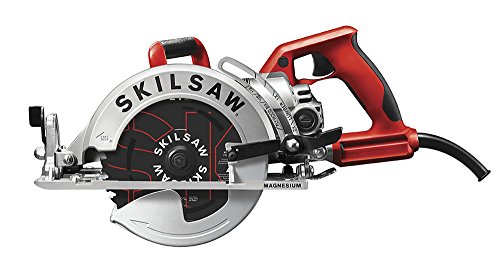
- Best overall for pro framing: Skilsaw SPT77WML-01 (lightest worm drive in this list, 5,300 RPM, left blade).
- Best with electric brake: DeWalt DWS535B (published 4,800 RPM, 13.8 pounds, brake and cord protection).
- Best budget gear-driven saw: Makita 5377MG (hypoid design, magnesium housing, 4,500 RPM).
- Best for heavy-duty daily cutting: Milwaukee 6477-20 (oil-level sight glass, 4,400 RPM, about 15 pounds).
- Best for right-handed buyers who like a front-heavy feel: Bosch CSW41 (published 5,300 RPM, 13.2 pounds).
- Best for thick timber: a 10-1/4-inch saw such as the Skilsaw SPT70WM-01 rather than a 7-1/4-inch model.
- Cordless worm-drive style: check current rear-handle cordless saws from DeWalt, Makita and Milwaukee, covered below.
The Skilsaw SPT77WML-01 is the best worm drive circular saw for most framers and remodelers because it combines a magnesium housing, a published weight of about 11.6 pounds and a 15-amp motor spinning at 5,300 RPM; the DeWalt DWS535B is the best runner-up for buyers who want an electric brake and a rugged cord system, and the Makita 5377MG is the lower-cost route to a gear-driven saw. The right choice depends on whether you want true worm-drive torque on the left-blade, rear-handle layout or a lighter sidewinder instead.
This guide is research-based. It compares published specifications from manufacturers and large review roundups and groups saws by the criteria that decide a buying choice: weight, blade side, gear type, housing material, brake and bevel capacity. Where a figure could not be confirmed it is described as a spec class or flagged for you to verify on the product page. The article does not rely on bench or job-site work of our own.
Our top picks


As an Amazon Associate we earn from qualifying purchases at no extra cost to you.
Quick picks
- Best overall for pro framing: Skilsaw SPT77WML-01 (lightest worm drive in this list, 5,300 RPM, left blade).
- Best with electric brake: DeWalt DWS535B (published 4,800 RPM, 13.8 pounds, brake and cord protection).
- Best budget gear-driven saw: Makita 5377MG (hypoid design, magnesium housing, 4,500 RPM).
- Best for heavy-duty daily cutting: Milwaukee 6477-20 (oil-level sight glass, 4,400 RPM, about 15 pounds).
- Best for right-handed buyers who like a front-heavy feel: Bosch CSW41 (published 5,300 RPM, 13.2 pounds).
- Best for thick timber: a 10-1/4-inch saw such as the Skilsaw SPT70WM-01 rather than a 7-1/4-inch model.
- Cordless worm-drive style: check current rear-handle cordless saws from DeWalt, Makita and Milwaukee, covered below.
How we chose these saws
Selection was based on published specifications, manufacturer product pages and the way established review roundups rank the same models. A saw qualified if it is a current model, uses a gear drive that sits behind the motor (worm or hypoid) or is a clearly labelled rear-handle equivalent, and publishes blade size, speed and weight. We weighted six criteria:
- Weight. Worm drive saws are heavier than sidewinders, and a 2-pound difference matters when you cut overhead or all day.
- Blade side. Left-blade saws give right-handed users a clear line of sight to the cut line; right-blade saws favor left-handers.
- Housing material. Magnesium cuts weight; aluminum is cheaper and tougher against drops.
- Gear lubrication and maintenance. Worm drives use an oil bath and need periodic oil checks.
- Brake and cord protection. An electric brake stops the blade fast after releasing the trigger; a cord protection system reduces cord pull-out.
- Bevel and depth capacity. Depth at 90 degrees must handle 2x lumber; bevel capacity matters for roof framing.
Worm drive versus sidewinder
| Factor | Worm drive (rear-handle) | Sidewinder (direct drive) |
|---|---|---|
| Torque delivery | High, smooth through wet and dense stock | Lower, higher RPM |
| Weight | Heavier, roughly 11.5 to 15 lb in this list | Lighter, often under 11 lb |
| Blade side | Usually left | Usually right |
| Motor position | Inline with the handle, long body | Motor beside the blade |
| Maintenance | Oil in the gear housing | Little to none |
| Typical RPM | 4,400 to 5,300 | 5,000 to 6,000 or higher |
| Best for | Framing, wet lumber, long cuts | Trim, sheet goods, overhead and light use |
Worm drive saws deliver power through a worm gear that turns the blade with high torque at a lower blade speed. That is why they hold up in wet, dense or thick lumber. Sidewinders are lighter and cheaper but can bog down in the same conditions.
Specifications compared
| Model | Blade | Motor | No-load speed | Weight (published) | Housing | Blade side |
|---|---|---|---|---|---|---|
| Skilsaw SPT77WML-01 | 7-1/4 in | 15 amp | 5,300 RPM | About 11.6 lb | Magnesium | Left |
| DeWalt DWS535B | 7-1/4 in | 15 amp | 4,800 RPM | About 13.8 lb | Magnesium and aluminum | Left |
| Makita 5377MG (hypoid) | 7-1/4 in | 15 amp | 4,500 RPM | About 13.2 lb | Magnesium | Check manufacturer |
| Milwaukee 6477-20 | 7-1/4 in | Check manufacturer | 4,400 RPM | About 15 lb | Composite shoe | Check manufacturer |
| Bosch CSW41 | 7-1/4 in | 15 amp | 5,300 RPM | About 13.2 lb | Magnesium | Left |
| Skilsaw SPT70WM-01 | 10-1/4 in | Check manufacturer | Check manufacturer | Check manufacturer | Check manufacturer | Left (worm drive class) |
The Makita 5377MG is a hypoid-gear saw rather than a classic worm drive. Hypoid gears give similar torque and a sealed oil-bath housing, so it is often grouped with worm drive saws. The published depth of cut at 90 degrees for the Makita is about 2-3/8 inches.
The picks, one by one
Skilsaw SPT77WML-01
Spec line: 7-1/4-inch blade · 15-amp motor · 5,300 RPM · about 11.6 pounds · 53-degree bevel capacity · magnesium housing · depth-of-cut markings · left blade
Best for: Framing crews and remodelers who want the classic worm drive feel in the lightest published package.
Skip if: You are left-handed and want the blade on the right, or you prefer an electric brake on every saw.
- Pros: Low weight for a worm drive, high no-load speed for the class, wide bevel capacity, and sight-line friendly left blade layout.
- Cons: It still weighs more than most sidewinders; gear oil requires periodic checks; cord protection and brake features should be confirmed on the current kit.
DeWalt DWS535B
Spec line: 7-1/4-inch blade · 15-amp motor · 4,800 RPM · about 13.8 pounds · magnesium and aluminum housing · left blade · electric brake · cord protection
Best for: Contractors who want a brake that stops the blade quickly and a cord system that resists tugs during jobsite work.
Skip if: You cut overhead often and every pound counts.
- Pros: Electric brake, cord protection, durable build and strong torque at a lower blade speed.
- Cons: Heavier than the Skilsaw; the lower RPM trades some cutting speed for torque.
Makita 5377MG
Spec line: 7-1/4-inch blade · 15-amp motor · 4,500 RPM · about 13.2 pounds · about 2-3/8-inch depth at 90 degrees · magnesium housing · sealed oil-bath gear housing
Best for: Buyers who want a gear-driven saw at a lower cost class and are happy with a hypoid design instead of a traditional worm drive.
Skip if: You need maximum depth of cut or a published bevel number beyond what Makita lists on the product page.
- Pros: Hypoid gear torque, sealed gear housing, magnesium parts, an entry-level cost class for a pro-style saw.
- Cons: Not a true worm drive; the 2-3/8-inch depth is less than some competitors; confirm the blade side before you buy.
Milwaukee 6477-20
Spec line: 7-1/4-inch blade · 4,400 RPM · about 15 pounds · oil-level sight glass · composite shoe
Best for: Daily-use crews who value an easy gear-oil check and are comfortable carrying a heavy saw.
Skip if: Weight and overhead work are your main concerns.
- Pros: Oil-level sight glass makes maintenance simple; low blade speed with high torque for wet or thick lumber.
- Cons: The heaviest saw in this list; the shoe is a composite part rather than magnesium, so check durability expectations.
Bosch CSW41
Spec line: 7-1/4-inch blade · 15-amp motor · 5,300 RPM · about 13.2 pounds · magnesium housing · left blade · onboard wrench storage
Best for: Buyers who want a magnesium, high-speed worm drive with an onboard wrench and a mid-range weight.
Skip if: You want the lowest weight in the class; the Skilsaw is lighter.
- Pros: High no-load speed, magnesium housing, wrench storage.
- Cons: Heavier than the Skilsaw; verify that the current kit includes the features you expect.
Skilsaw SPT70WM-01 (10-1/4-inch)
Spec line: 10-1/4-inch blade · worm drive class · left blade · larger cut depth than 7-1/4-inch saws · check manufacturer for weight and speed
Best for: Timber framers and builders cutting 4x and 6x material in a single pass.
Skip if: You do general carpentry with 2x lumber, since a 10-1/4-inch saw is heavy and blades cost more.
- Pros: Substantially more cutting depth than a 7-1/4-inch model.
- Cons: Heavy and unwieldy for single-handed use; specialized blades; verify all numbers on the maker’s page.
Cordless rear-handle options
DeWalt, Makita and Milwaukee each sell cordless rear-handle saws that copy the worm drive layout without a gear oil bath. These saws trade a cord for a battery, and their performance depends on pack capacity. This guide does not quote their specifications because they could not be verified. Compare blade size, battery platform, brake and weight against the corded saws above before choosing.
Buying criteria with concrete thresholds
- Weight: under about 12 pounds for overhead and roof work; up to about 14 pounds is acceptable for bench and floor framing.
- No-load speed: 4,400 to 5,300 RPM is the worm drive range. Lower speed suggests more torque; higher speed gives faster cuts in dry stock.
- Housing: magnesium for weight; aluminum for impact resistance.
- Blade side: left blade for right-handed users who want to see the line; right blade for left-handed users.
- Brake: electric brake if you work with others around or move between cuts quickly.
- Bevel: at least about 50 degrees if you do roof framing; check the maker’s number.
- Maintenance: check gear oil on the schedule in the manual and use only the oil the maker specifies.
Worked example: choosing by job type
Use this decision matrix to match your work to a saw.
| Job | What matters | Pick |
|---|---|---|
| Wall framing, mostly 2×4 and 2×6 | Weight and speed | Skilsaw SPT77WML-01 |
| Wet pressure-treated lumber | Torque, oil-bath durability | Milwaukee 6477-20 or DeWalt DWS535B |
| Roof rafters and angled cuts | Bevel capacity, low weight | Skilsaw SPT77WML-01 |
| Mixed jobs with several users | Brake and cord protection | DeWalt DWS535B |
| Limited budget, gear drive wanted | Cost class | Makita 5377MG |
| Timber and large beams | Cut depth | 10-1/4-inch Skilsaw SPT70WM-01 |
To apply the logic, follow these steps:
- List the thickest material you cut. A 7-1/4-inch saw cuts about 2-3/8 to 2-1/2 inches at 90 degrees, which covers 2x lumber (1.5 inches actual). For 4x material (3.5 inches actual), you need a larger saw or two passes.
- Note the hours of overhead cutting per day. If more than an hour, favor the lightest saw.
- Check your dominant hand and decide blade side.
- Decide whether a brake matters. If you cut near others or frequently set the saw down, choose a braked model.
- Decide on maintenance tolerance. If you will not check gear oil, a sidewinder is a better fit.
Safety guidance for circular saws
- Wear eye protection and hearing protection and a dust mask when cutting treated or dusty lumber.
- Set blade depth so the blade extends about one-quarter inch below the workpiece.
- Support the work so the cut-off piece does not pinch the blade and cause kickback.
- Keep both hands on the saw and keep your body out of line with the blade.
- Let the blade reach full speed before entering the cut and release the trigger before lifting the saw from the work.
- Never defeat the lower guard. Check that it retracts freely and returns fully.
- Unplug the saw before changing blades or servicing the gear housing.
- Use a blade rated for the saw’s speed and replace damaged or dull blades.
- Check extension cords for the correct gauge and condition, and keep the cord out of the cutting path.
Frequently asked questions
What is the best worm drive circular saw?
The Skilsaw SPT77WML-01 is the best worm drive saw for most users, with a published weight of about 11.6 pounds, 5,300 RPM and a magnesium housing.
The DeWalt DWS535B is a strong alternative if you want an electric brake and cord protection.
Is a worm drive better than a sidewinder?
A worm drive delivers more torque and holds up better in wet or thick lumber, while a sidewinder is lighter and often cheaper.
Choose a worm drive for framing and heavy cutting, and a sidewinder for trim, sheet goods and overhead work.
Why is the blade on the left of a worm drive saw?
The left-blade layout gives right-handed users a clear view of the cut line along the blade side of the saw.
Most sidewinders place the blade on the right. Left-handed users may prefer a right-blade saw, so check the blade side before buying.
Are worm drive saws heavier?
Yes. The saws in this list weigh roughly 11.6 to 15 pounds, while many sidewinders are lighter.
Magnesium housings help reduce weight, so check housing material if weight matters.
Do worm drive saws need oil?
Yes. The gear housing holds oil that must be checked and changed as the manual directs.
Use the oil type specified by the maker, and check for leaks if you notice oil on the housing or the work.
Is the Makita 5377MG a true worm drive?
No. It uses a hypoid gear design that gives similar torque in a sealed oil-bath housing.
In practice it is grouped with worm drive saws, though the gear geometry is different.
What blade size should I choose?
A 7-1/4-inch blade is the standard for framing and covers 2x lumber with one pass. A 10-1/4-inch saw is for larger timbers.
Larger saws weigh more and need specialized blades, so choose by the thickest stock you cut.
Should I buy corded or cordless?
Corded worm drive saws provide steady power and no battery management. Cordless rear-handle saws are more convenient but depend on battery capacity.
Compare platform, brake and weight on the maker’s page before deciding, since cordless specifications vary widely.
Bottom line
For most framing and remodeling, buy the Skilsaw SPT77WML-01 for the lightest worm drive layout, the DeWalt DWS535B for a brake and cord protection, or the Makita 5377MG for a gear-driven saw at a lower cost class. Pick the Milwaukee 6477-20 for easy oil checks and heavy daily use, the Bosch CSW41 for a high-speed magnesium alternative, and a 10-1/4-inch Skilsaw only if you regularly cut timber. Verify blade side, weight and kit contents on the maker’s page, and follow the safety steps above on every cut.





Write Your Review
No reviews yet. Be the first to share your experience!