

Key takeaways
- Gas: Usually the most forgiving heat source. Start on low, keep the flame beneath the base rather than climbing the sides, and increase gradually.
- Radiant electric: Use only a flat-bottom bowl that the maker identifies as stovetop-safe. A warped or rough foot can scratch glass.
- Induction: Plain granite and most traditional clay are not magnetic. A bowl must include an induction-ready metal layer, or you must use an interface disc rated for the bowl and cooktop.
- Halogen or portable burners: Confirm the bowl’s base diameter and weight limit. A small burner may heat the center faster than the rim.
- Oven use: Do not assume stovetop compatibility means oven compatibility. Handles, glazes, metal plates, and sudden temperature changes can alter the rating.
Best Korean Dolsot Stone Bowls for Bibimbap
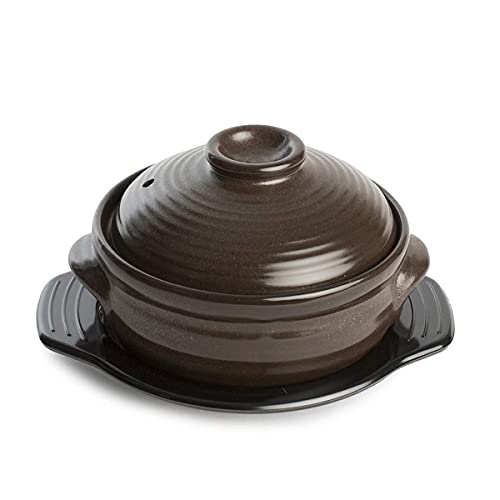
The best Korean dolsot stone bowl for bibimbap is a 7-inch granite or natural-stone bowl with a thick base if you want a crisp rice crust for one serving; choose an 8-inch bowl for larger portions, and choose a Korean earthenware ttukbaegi instead if you use an electric or induction stovetop and need easier daily handling.
A dolsot is not simply a serving bowl. It is a cooking vessel that must tolerate gradual heating, retain enough heat to cook the rice at the table, and provide a stable base on your particular stove. The right choice depends mainly on diameter, wall and base thickness, heat source, portion size, and how much seasoning and maintenance you are willing to accept.
Our top picks



As an Amazon Associate we earn from qualifying purchases at no extra cost to you. Ratings are shown as listed on Amazon.
Quick comparison: the useful sizes
| Nominal diameter | Typical usable capacity | Approximate weight | Best serving size | Typical heating time | Best use |
|---|---|---|---|---|---|
| 6 inches | 500–700 ml | 1.5–2.5 kg | Small single portion | 8–12 minutes | Light meals, small kitchens |
| 7 inches | 750–1,000 ml | 2–3.5 kg | One generous portion | 10–15 minutes | Most home bibimbap servings |
| 8 inches | 1,100–1,500 ml | 3–5 kg | One large or two modest portions | 12–18 minutes | Large toppings, shared meals |
| 9 inches | 1,600–2,200 ml | 4.5–7 kg | Two substantial portions | 15–22 minutes | Family-style serving, gas stoves |
These are practical ranges rather than universal specifications. The same nominal diameter can have a different internal depth, foot-ring design, or wall thickness. Capacity also depends on how much clearance the manufacturer leaves below the rim. For bibimbap, a bowl filled to about two-thirds of its internal capacity is easier to mix without spilling.
Best picks by situation
| Your situation | Best choice | Why | Trade-off |
|---|---|---|---|
| First dolsot | 7-inch, medium-thick granite bowl | Good balance of capacity, heat retention, and manageable weight | May need a heat diffuser on some electric cooktops |
| One person, limited storage | 6- or 7-inch bowl | Lower weight and shorter warm-up time | Less room for mixing and toppings |
| Two servings | 8-inch bowl | Enough surface area for rice, vegetables, egg, and sauce | Heavy when filled and slower to heat |
| Frequent gas-stove use | 7- or 8-inch thick-base stone bowl | Gas provides responsive, adjustable heat and supports heavier cookware | Requires careful flame control to prevent hot spots |
| Glass-top electric stove | Flat-bottom bowl marked for stovetop use | More stable and less likely to scratch the surface | Heating can be slower and less even |
| Induction stove | Induction-compatible dolsot or a suitable induction interface disc | Works only when a magnetic layer or approved interface is present | Some interface discs reduce efficiency and add another hot surface |
Granite dolsot versus earthenware ttukbaegi
Granite and other natural-stone bowls
Natural-stone dolsot bowls usually provide the strongest heat retention and the most durable cooking surface. A thick base keeps the rice hot while you eat and encourages a toasted nurungji crust. Granite models are often less porous than traditional clay vessels, although the exact behavior varies by stone and finish.
The disadvantages are weight, slow temperature changes, and the possibility of cracking from thermal shock. A stone bowl that weighs 3 kg empty can exceed 4 kg with food and liquid. That matters when lifting it from the stove, especially if your cooking surface is small or your sink is far away.
Earthenware ttukbaegi
Earthenware bowls are often lighter and less expensive, with a traditional appearance and good heat retention. They work well for bibimbap, stews, and steamed dishes, but porous clay generally needs more careful seasoning and drying. Glazed interiors are easier to clean than unglazed clay, but a glaze can still chip if the bowl is knocked against a metal sink or dropped.
For a first purchase, a 7-inch glazed earthenware bowl is usually the easier entry point. For maximum crust formation and long table-side heat, a thick natural-stone bowl is the stronger choice.
How diameter and thickness change the result
Diameter controls cooking surface more than it controls capacity. A wider bowl spreads the rice into a thinner layer, giving more contact area for a browned crust. It also makes mixing easier. A narrow, deep bowl holds more food vertically but can leave the center cooler and makes it harder to combine sauce without pushing ingredients over the rim.
Thickness controls thermal behavior. A base around 20–30 mm thick generally stores substantially more heat than a lightweight bowl with a thin base. That heat helps crisp oiled rice, but it also increases warm-up time and the risk of damage if the bowl is heated too aggressively. Very thick walls are not automatically better: for occasional use, the extra weight may outweigh the additional heat retention.
As a practical example, suppose a 7-inch bowl holds 900 ml and you fill it to two-thirds. Its working volume is about 600 ml, which suits approximately 250–300 g of cooked rice plus vegetables, egg, and sauce. An 8-inch bowl holding 1,300 ml gives roughly 870 ml at the same fill level, leaving room for a larger 350–450 g rice portion or more toppings without overflow.
Stovetop compatibility: check before buying
- Gas: Usually the most forgiving heat source. Start on low, keep the flame beneath the base rather than climbing the sides, and increase gradually.
- Radiant electric: Use only a flat-bottom bowl that the maker identifies as stovetop-safe. A warped or rough foot can scratch glass.
- Induction: Plain granite and most traditional clay are not magnetic. A bowl must include an induction-ready metal layer, or you must use an interface disc rated for the bowl and cooktop.
- Halogen or portable burners: Confirm the bowl’s base diameter and weight limit. A small burner may heat the center faster than the rim.
- Oven use: Do not assume stovetop compatibility means oven compatibility. Handles, glazes, metal plates, and sudden temperature changes can alter the rating.
Never place a cold stone bowl directly on a fully heated burner unless the manufacturer specifically allows that method. Gradual heating is safer because uneven expansion is the main cause of cracks.
Seasoning and first-use setup
Seasoning is not the same as coating a cast-iron pan. It mainly fills some pores, reduces sticking, and builds a layer of cooking oil. Instructions vary, especially between glazed, unglazed, and sealed stone bowls, so the manufacturer’s directions take priority.
- Rinse the bowl with warm water and remove loose dust without abrasive scouring.
- Dry it fully, then warm it over low heat for several minutes.
- Apply a very thin film of neutral cooking oil to the interior if the bowl is unglazed or the instructions recommend seasoning.
- Heat gently until the oil is absorbed or lightly set; avoid smoking the oil heavily.
- Let the bowl cool naturally before washing and drying it.
For the first few uses, cook rice with a little oil before attempting a heavily sauced dish. This makes sticking easier to judge. Do not soak a hot bowl in water, pour cold liquid into it while it is on the burner, or transfer it straight from a refrigerator to high heat.
Ownership costs and common mistakes
A basic earthenware bowl commonly falls in the general market range of about $20–$45, while thicker granite or premium stone models often cost roughly $40–$100 or more. The cheapest option may not be the best value if its base is uneven, its capacity is overstated, or its material is not clearly identified.
For example, a $60 bowl used twice a month for three years costs about $0.83 per use before food and energy: $60 divided by 72 uses. A $30 bowl used four times a month for one year costs about $0.63 per use, but only if it survives the faster heating and washing routine. Frequency and careful handling matter more than purchase price alone.
- Do not use metal utensils aggressively; they can scratch glaze and chip rims.
- Do not put a very hot bowl on a wet towel or cold countertop.
- Do not use a dishwasher unless the manufacturer explicitly permits it.
- Do not leave acidic, salty food sitting for days in an unglazed porous bowl.
- Inspect the rim and base regularly. A hairline crack can expand during the next heating cycle.
- Store the bowl where it cannot fall against other cookware; its weight makes impact damage more severe.
Final buying recommendation
For most cooks, the best Korean dolsot stone bowl for bibimbap is a 7-inch, 2–3.5 kg bowl with a flat, stable base, a clearly stated stovetop rating, and enough internal depth to hold roughly 750–1,000 ml. Select 6 inches for smaller servings and limited storage, 8 inches for large portions or two modest servings, and a 9-inch model only if your burner, sink, and storage can comfortably handle the extra weight.
Prioritize verified stovetop compatibility over decorative finish. Then compare base thickness, working capacity, and care requirements. A bowl that heats gradually, sits securely, and fits your normal portion will produce better bibimbap—and remain safer and more useful—than a heavier bowl chosen only for maximum heat retention.





Write Your Review
No reviews yet. Be the first to share your experience!