

The best single bevel miter saw for most shops is the DeWalt DWS713 10-inch for general trim and framing, with the 12-inch DeWalt DWS715 as the pick when you need wider crosscuts. If you want the lightest option for carrying between jobs, the Metabo HPT 10-inch compound saw weighs about 24 pounds per the maker. All four saws below bevel in one direction only, which saves money and weight but means you flip the workpiece for opposite-hand cuts.
A single bevel saw tilts the blade to the left only. A dual bevel saw tilts both ways, which speeds up crown molding and repeated bevel cuts. Single bevel models are generally lighter, simpler and cheaper, which is why they remain popular for trim carpenters, DIY builders and shops that mostly cut square. Specs below come from manufacturer and retailer listings; where retailers disagree, a range is given and you should confirm on the maker’s page.
Our top picks
 DEWALT 12-Inch Miter Saw
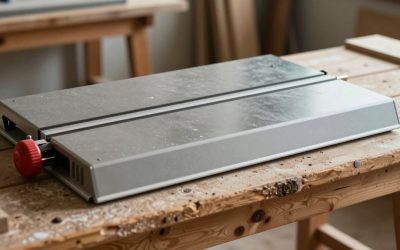
- Stainless-steel miter detent plate of 12-inch miter saw…
- The mitre saw features the precise miter system…
- Tall sliding fence of DEWALT miter saw supports…


As an Amazon Associate we earn from qualifying purchases at no extra cost to you.
Quick Comparison of Single Bevel Miter Saws
| Pick | Best for | Blade | Motor | Bevel range | Weight (approx.) | Price range |
|---|---|---|---|---|---|---|
| DeWalt DWS713 | Best overall for trim and general use | 10 in | 15 A, 5,000 RPM | 0 to 48 deg left, 0 to 3 deg right | 31 to 35 lb (retailers vary) | Mid |
| DeWalt DWS715 | Best for wider cuts | 12 in | 15 A, 4,000 RPM | 0 to 48 deg left, 0 to 3 deg right | About 36 lb | Mid |
| Metabo HPT 10 in compound (C10FCG2 class) | Best lightweight | 10 in | 15 A, 5,000 RPM | 0 to 45 deg left | About 24 lb | Budget to mid |
| Makita LS1040 | Best for smooth, accurate trim work | 10 in | 15 A, 4,600 RPM | 0 to 45 deg left | About 27 lb | Mid to upper-mid |
Best Overall: DeWalt DWS713 10-Inch
The DWS713 pairs a 15-amp motor with a 10-inch blade and a bevel range that tilts to 48 degrees left, per the listed specs. That extra range beyond the typical 45 degrees helps with some hip and roof angles and out-of-square corners. It is fairly heavy for a 10-inch compound saw, with retailers listing between 31 and 35 pounds, but that mass keeps it steady during cuts. It cuts well for baseboard, casing, decking and 2×4 framing.
The trade-off is the lack of a slide, so crosscut capacity is limited to boards roughly the width of the blade radius. If you need to cut wide shelving or 2×12 lumber, step up to a 12-inch saw or a sliding model.
Best for Wider Crosscuts: DeWalt DWS715 12-Inch
The DWS715 is the 12-inch sibling. The larger blade runs at about 4,000 RPM and, per the listings, adds extra crosscut width and cut depth compared with a 10-inch saw. It has the same 48-degree left bevel and a set of 14 miter detents for common angles. It is a good fit for contractors and woodworkers who cut thicker stock, such as 4×4 posts, in one pass.
The trade-offs are weight at roughly 36 pounds and the cost of 12-inch blades, which are more expensive than 10-inch blades and cut a wider kerf.
Best Lightweight: Metabo HPT 10-Inch Single Bevel
Metabo HPT’s 10-inch single bevel compound saw weighs in the mid 20-pound range, which makes it one of the lighter fixed saws in its class. Its bevel stops at 45 degrees left and the miter range is listed at 52 degrees each way. It uses a 15-amp motor at 5,000 RPM. Because the model designation has changed over the years (C10FCGS and the newer C10FCG2), check the exact model number before you buy and compare the labeled specs.
The trade-off is a plainer fence and table, so it feels less refined than the premium options when making fine trim cuts. For a first saw or a saw you carry often, that is usually acceptable.
Best for Accuracy: Makita LS1040 10-Inch
Makita’s LS1040 is a long-running 10-inch single bevel compound saw with a 15-amp motor and a listed weight around 27 pounds. The miter scale goes 45 degrees left and 52 degrees right with a 45-degree left bevel. Makita saws have a reputation for smooth bearings and low vibration, which helps when cutting fine trim or hardwood. Retail listings for this model are sometimes inconsistent, so confirm the specs against Makita’s own page.
The trade-off is cost: it is usually priced above the DeWalt and Metabo HPT saws without offering a wider bevel range.
Single Bevel vs Dual Bevel: Which Do You Need?
With a single bevel saw you flip the workpiece to make opposite bevels. For picture frames or a handful of crown cuts, that is a minor chore. For a whole room of crown molding, a dual bevel saw saves time and reduces mistakes. Dual bevel saws weigh several pounds more and cost more. Some popular saws, including certain DeWalt and Bosch 12-inch models, are described differently across retailers, so look for the words single bevel or dual bevel in the manufacturer’s title rather than trusting a roundup.
Worked Example: Can Your Saw Cut Your Stock?
A fixed 10-inch compound saw typically crosscuts around 5 to 6 inches wide at 90 degrees when the stock is 2 inches thick, and less when the cut is mitered. A 12-inch saw increases that to roughly 7 to 8 inches. A 2×6 is 5.5 inches wide, so any of the saws above cuts it in one pass. A 2×10 is 9.25 inches wide and needs a sliding saw or a two-pass method. Always check the manufacturer’s capacity chart for the angle you plan to cut, because capacity shrinks as miter and bevel angles increase.
How to Choose a Single Bevel Miter Saw
Blade size
Ten-inch saws are lighter, blades are cheaper and cuts are cleaner for trim. Twelve-inch saws handle wider stock. If most of your work is under 6 inches wide, choose 10-inch.
Weight and portability
A saw under 30 pounds is easy to move to a truck. Over 35 pounds you will want a stand.
Dust collection
Most miter saws catch only a portion of the dust without a vacuum. Plan on connecting a shop vacuum to the dust port, and add a dust bag if working outdoors.
Blade quality
The stock blade is a general-purpose item. A 60-tooth or 80-tooth finish blade makes a visible difference on trim and plywood.
Fence height and support
A taller fence supports crown molding and tall baseboard. Extension wings or a stand with supports help keep long boards level.
Frequently Asked Questions
What is the difference between single and dual bevel miter saws?
A single bevel saw tilts the blade in one direction, usually left. A dual bevel saw tilts both ways, which reduces the number of times you must flip the board. Single bevel saws are typically lighter and cheaper.
Is a single bevel miter saw good enough for crown molding?
Yes. You can cut crown molding by flipping the board for opposite corners. It takes more thought than with a dual bevel saw, so a practice cut on scrap is recommended.
Should I buy a 10-inch or 12-inch single bevel miter saw?
A 10-inch saw is enough for baseboard, casing and 2×6 framing. Choose a 12-inch if you often cut wide shelving or 4×4 posts in one pass.
Do single bevel saws come in sliding models?
Yes, though the picks here are fixed-head saws. Sliding versions add crosscut width, but they cost more, weigh more and need space behind the saw.
What blade should I use on a single bevel miter saw?
A 60 to 80 tooth blade for 10-inch saws gives smooth trim cuts. Use a lower-tooth framing blade only for rough construction lumber.





Write Your Review
No reviews yet. Be the first to share your experience!