

Key takeaways
- Dark room: prioritize black level, shadow detail, and controlled highlights. OLED usually wins.
- Bright room: prioritize sustained brightness and reflection handling. Mini-LED is often the safer choice.
- Mixed lighting: choose a good OLED if curtains can control daylight, or a mini-LED if the TV must remain visible at noon.
- Direct side seating: favor OLED or a wide-viewing-angle LCD panel; some VA LCD panels lose contrast and color off-axis.
The best 4K TVs in 2026 are OLED models for the richest contrast and viewing angles, mini-LED models for bright rooms and larger screens, and midrange QLED or mini-LED sets when value matters more than perfect black levels.
Our top picks


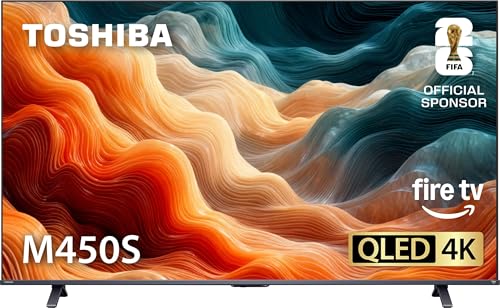
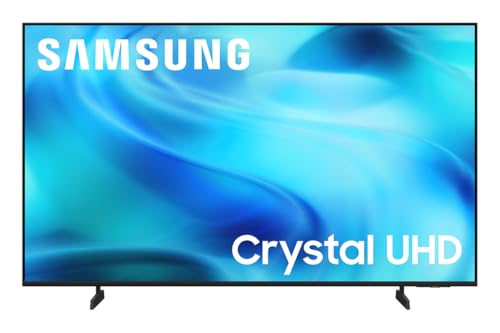
As an Amazon Associate we earn from qualifying purchases at no extra cost to you. Ratings are shown as listed on Amazon.
Quick picks by situation
| Situation | Best fit | Recommended size | Typical price range | Why it makes sense |
|---|---|---|---|---|
| Dark movie room | LG C5 OLED or Samsung S95F OLED | 55–77 inches | $1,200–$4,000 | Near-perfect black, strong contrast, wide seating flexibility |
| Bright living room | Mini-LED such as TCL QM7K, Hisense U8QG, or Samsung QN90F | 65–85 inches | $900–$3,500 | High full-screen brightness and better resistance to reflections |
| Best value under $1,000 | Midrange TCL or Hisense mini-LED | 55–75 inches | $500–$1,000 | More contrast and brightness than basic edge-lit LED TVs |
| Gaming and sports | LG C5 OLED or a 144Hz mini-LED model | 55–65 inches | $900–$2,500 | Fast response, HDMI 2.1, high refresh rate, and low input lag |
| Wide seating area | OLED or IPS-style LED panel | 65–77 inches | $1,000–$4,000 | Color and contrast change less when viewed off-center |
How to choose the right 4K TV
Start with the room rather than the brand. Measure the distance from your eyes to the screen, note where windows and lamps are located, and decide whether viewers will sit directly in front of the TV or spread across a sofa. Those three details determine the useful difference between OLED, QLED, and mini-LED more reliably than a long feature list.
Choose the screen size from viewing distance
A 4K image can be watched closer than an older 1080p television without looking pixelated. For a cinematic field of view, a useful starting point is a screen diagonal roughly 1.2 to 1.6 times the seating distance. The range below favors comfortable everyday viewing rather than an unusually close cinema setup.
| Viewing distance | Comfortable size | More immersive size | Room example |
|---|---|---|---|
| 5–6 feet | 48–55 inches | 65 inches | Bedroom or compact office |
| 6–7.5 feet | 55–65 inches | 75 inches | Small living room |
| 7.5–9 feet | 65–75 inches | 85 inches | Average living room |
| 9–11 feet | 75–85 inches | 98 inches | Large room or dedicated media space |
For example, at eight feet, 65 inches is a balanced everyday choice, while 75 inches gives films and sports a more involving presentation. Do not choose a smaller screen solely because the TV is 4K; resolution does not compensate for a screen that feels undersized from the main seat.
OLED versus mini-LED: which panel is better?
OLED: best contrast and viewing angles
OLED pixels produce their own light, so each pixel can turn off independently. This gives OLED its defining advantage: black areas remain black rather than becoming gray from a backlight. Stars, subtitles, and shadow detail look especially clean in a dim room.
OLED also tends to preserve color and contrast when viewed from the side. That makes an LG C5 or Samsung S95F a strong choice for a wide sofa, even when the brightest seat is not directly in front of the panel. Response times are extremely fast, which benefits console and PC gaming.
The compromises are brightness behavior and static content. OLED sets can reduce brightness during very large bright scenes, and prolonged, repetitive static images can contribute to image retention or permanent burn-in over time. Modern protection features reduce the risk, but a TV used all day as a news display, desktop monitor, or security-camera screen deserves extra caution.
Mini-LED: best for bright rooms and large screens
Mini-LED TVs use an LCD panel with a dense array of small backlight zones. Models such as the TCL QM7K, Hisense U8QG, and Samsung QN90F can become much brighter across a large portion of the screen than many OLED televisions. That makes them easier to see beside windows and more convincing for daytime sports.
Mini-LED is also usually the more economical route to 75-, 85-, or 98-inch sizes. The limitation is blooming: a bright object against a black background can produce a halo because one backlight zone may illuminate several neighboring pixels. Better sets control this more effectively, but no zone-based LCD matches OLED’s pixel-level black control.
QLED and standard LED: good value, but inspect the details
QLED generally means an LED-backlit LCD TV using a quantum-dot layer to improve color volume. It does not automatically indicate a particular contrast level or backlight design. A basic QLED can be a good inexpensive television, but a full-array or mini-LED model is usually preferable for HDR movies because it controls dark and bright areas more precisely.
Standard edge-lit LED models remain reasonable for a guest room, kitchen, or occasional viewing. Their lower price is less attractive for a primary movie TV because uneven lighting, weaker HDR brightness, and grayish blacks become more noticeable on a large screen.
Brightness, HDR, and reflections
HDR performance is not determined by resolution alone. Look for a TV that combines strong peak brightness with good local dimming, accurate tone mapping, and a screen surface suited to the room. A very bright television can still look washed out if a window is reflected directly across the picture.
- Dark room: prioritize black level, shadow detail, and controlled highlights. OLED usually wins.
- Bright room: prioritize sustained brightness and reflection handling. Mini-LED is often the safer choice.
- Mixed lighting: choose a good OLED if curtains can control daylight, or a mini-LED if the TV must remain visible at noon.
- Direct side seating: favor OLED or a wide-viewing-angle LCD panel; some VA LCD panels lose contrast and color off-axis.
Be cautious with quoted peak brightness figures. They may describe a tiny test window rather than an entire sports field or bright film scene. Sustained full-screen brightness is more relevant for daytime television, while peak brightness matters for small HDR highlights such as sunlight, sparks, and reflections.
Best 4K TVs by budget
Under $700: value mini-LED or QLED
At this level, a 55- or 65-inch TCL or Hisense model often offers the strongest combination of size, contrast, and smart-TV features. A mini-LED model is worth choosing over a basic LED set when the price difference is modest. Expect compromises in processing, viewing angle, speakers, and quality control compared with premium brands.
$700–$1,500: the value sweet spot
This range commonly includes 65-inch mini-LED televisions and sale-priced 55- or 65-inch OLED models. Choose mini-LED for a sunny room or a very large screen. Choose OLED when movies, gaming, and evening viewing matter most. LG’s C-series OLED televisions are particularly versatile because they combine strong gaming support with excellent contrast.
$1,500 and above: specialize rather than simply spend more
Premium OLED models such as the Samsung S95F target viewers who want exceptional color volume and a bright, high-contrast picture. Premium mini-LED models such as Samsung’s QN90F target rooms where brightness, reflection control, and large-screen impact are more important than eliminating every trace of blooming. At this price, better sound equipment may improve the experience more than a small increase in panel performance.
Ownership realities people often overlook
Every TV type has a likely first weakness. LCD televisions may develop backlight uniformity problems or lose a zone over time. OLED owners should avoid leaving static logos, paused games, or computer interfaces on screen for many hours every day. All modern televisions can collect dust in ventilation openings, and accumulated heat can shorten component life.
- Leave ventilation space around the rear panel, especially inside a tight cabinet.
- Clean with a soft, dry microfiber cloth; use only a small amount of manufacturer-approved cleaner if necessary.
- Never spray liquid directly on the display.
- Use a certified surge protector in areas with unstable power.
- Enable automatic pixel-shifting and panel-care features on OLED models.
- Use filmmaker, cinema, or movie mode before judging picture quality; vivid mode often exaggerates blue and sharpness.
Also budget for a soundbar or AV system if dialogue clarity and cinematic sound matter. Thin televisions have limited room for speakers, and spending an extra $100–$300 on audio can produce a larger everyday improvement than moving between two similarly priced panels.
Bottom line
Choose an OLED if your priority is film quality, deep blacks, fast gaming response, and wide seating angles. Choose mini-LED if the room is bright, the screen will be very large, or you want maximum daytime impact for the money. For most buyers, a 65-inch model at six to eight feet is the safest balance; move to 75 inches when immersion matters, and spend the extra budget on panel quality rather than resolution beyond 4K.
Write Your Review
No reviews yet. Be the first to share your experience!