

Key takeaways
- Test for lead first: Paint from before 1978 can contain lead. Use a lead test kit, and if it is positive, follow local guidance or hire a certified professional rather than sanding or scraping.
- Ventilation: Open windows and run a fan even with low-odor products. Keep pets and children out of the room while you work.
- Protective gear: Wear chemical-resistant gloves and eye protection, and follow the label for skin contact.
- Rags: Solvent-soaked rags can be a fire risk. Dry them flat outdoors as the maker directs and follow local disposal rules.
- Clean first: Degrease the surface before deglossing. Kitchen cabinets in particular carry a film that blocks adhesion.
- Prime when advised: A bonding primer is often called for on slick surfaces, and the paint can label will say so.
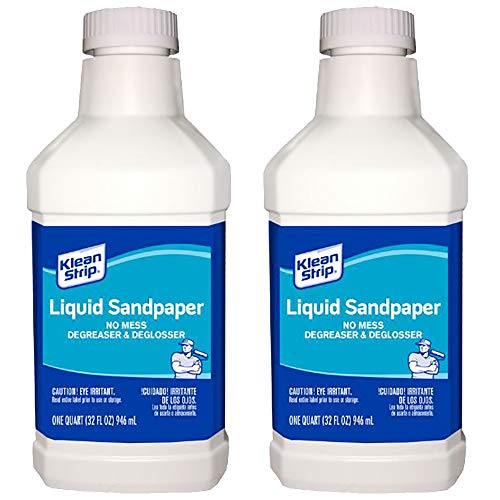
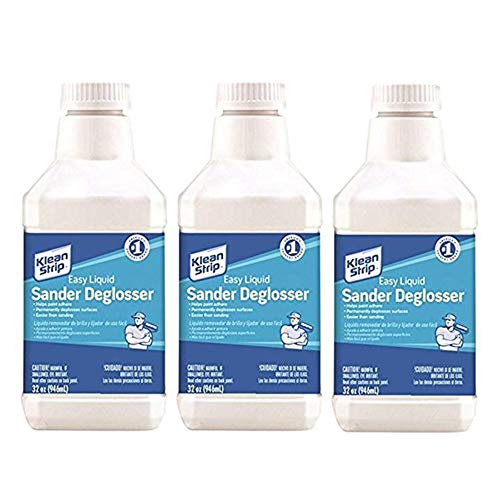
For most painted cabinets, trim and furniture that only need dulling before a new coat, a wipe-on deglosser such as Klean-Strip Easy Liquid Sander Deglosser is the usual starting point, a water-based option like Heirloom Traditions or KRUD KUTTER Gloss-Off suits indoor work where fumes matter, and a true stripper such as Citristrip or Dumond Smart Strip suits surfaces where the old finish has to come off rather than just lose its shine.
Our top picks

As an Amazon Associate we earn from qualifying purchases at no extra cost to you.
What a liquid sander deglosser does and does not do
A liquid sander, often sold as liquid sandpaper, is a chemical wipe that dulls a glossy coating and cleans off light grease so a fresh coat of paint or varnish can grip. It replaces some of the scuff sanding you would otherwise do by hand, with less dust. Reviewers are consistent about the limits. It does not strip paint, it does not fill dents or smooth peeling areas, and it will not make a failing finish sound. Woodwork Nation, for example, lists these as general cons across the category, along with the need for gloves, eye protection and ventilation.
Because results vary with the existing finish, a small test patch in a hidden spot is the sensible first step. Customer reviews of the best-known product are mixed: some report an easy wipe-on prep that lets them skip detail sanding on a dining set, others report that glossy cabinets stayed glossy even after heavy application or that paint later peeled. The difference often comes down to the old coating type and how clean the surface was beforehand.
What to compare
Water-based versus solvent-based
Water-based formulas are usually described as lower in odor and less of a fire concern, and they suit indoor work. Solvent-based products are flammable, and rags need careful disposal. Sources do not agree on how to classify every product: Bob Vila calls Klean-Strip’s Easy Liquid Sander Deglosser water-based, while Woodwork Nation describes it as solvent-based. Read the label and safety data sheet on the container you actually buy and follow the maker’s directions.
Wipe-on versus brush-on
Most deglossers are applied with a lint-free cloth in circular motions. Some products, like Heirloom Traditions, are brush-on, and gel strippers sit on the surface for a set time before scraping.
Working window
Many deglossers have a recoat window. Paint within the time the label allows, since a surface that sits too long can pick up dust or grease again.
Coverage and size
Bob Vila notes that a 16-ounce Heirloom Traditions bottle covers about one 8-by-10-foot kitchen’s worth of cabinetry as the maker lists it. Quart sizes are typical for Klean-Strip. Estimate surface area before choosing a container size.
At a glance: products reviewers cover
| Product | Best for | Key stated traits | Limits |
|---|---|---|---|
| Klean-Strip Easy Liquid Sander Deglosser | Quick prep of glossy paint and polyurethane before repainting | One-step wipe-on cloth application, widely stocked in quart size | Mixed results on very hard glossy coatings, classification varies by source |
| Heirloom Traditions All-In-One Paint Deglosser | Indoor cabinet prep | Water-based, brush-on, nonflammable, biodegradable, low fumes, about 2 minutes | Smaller 16-ounce size covers about one kitchen |
| KRUD KUTTER Gloss-Off | Dulling painted surfaces | Water-based, circular wipe application per Woodwork Nation | Does not remove paint |
| M-1 Paint Deglosser | Painted surfaces | Water-based, circular wipe application | Not for stripping |
| Jasco TSP Substitute | Cleaning grease and grime before painting | Water-based, no rinse required per Bob Vila, low odor | Cleaner rather than deglosser |
| Dumond Smart Strip | Removing many layers of paint or varnish | Water-based stripper, odorless, biodegradable, up to 15 layers per the maker as reported | Needs dwell time, then scraping |
| Citristrip gel | Wood and metal finishes you must remove | Solvent-based gel, long working time up to 24 hours as described | Not for composites or plastics |
| MAX Strip | Budget stripping across multiple surfaces | Water-based, removes paint and varnish on wood, metal, glass and more | About 30 minutes of setting time before scraping |
Choosing by budget tier
Budget tier
Klean-Strip, KRUD KUTTER and M-1 are the common low-cost wipe-on products. They suit a single piece of furniture or a handful of doors. The main trade-off is less predictable results on tough coatings. Pair them with a light hand scuff using fine abrasive for insurance.
Mid-range tier
Heirloom Traditions and Jasco TSP Substitute sit here. These are positioned around lower odor and cleaning ability, which matters in an occupied home. A cleaner and a deglosser used together is a common prep sequence for kitchen cabinets that carry cooking grease.
Premium tier
When the job is stripping rather than dulling, Dumond Smart Strip and Citristrip gels cost more per container and work more slowly. They suit antique furniture, thick layers of old paint and built-up varnish. They are a different category from a deglosser and should be chosen only if you need removal.
Prep and safety notes
- Test for lead first: Paint from before 1978 can contain lead. Use a lead test kit, and if it is positive, follow local guidance or hire a certified professional rather than sanding or scraping.
- Ventilation: Open windows and run a fan even with low-odor products. Keep pets and children out of the room while you work.
- Protective gear: Wear chemical-resistant gloves and eye protection, and follow the label for skin contact.
- Rags: Solvent-soaked rags can be a fire risk. Dry them flat outdoors as the maker directs and follow local disposal rules.
- Clean first: Degrease the surface before deglossing. Kitchen cabinets in particular carry a film that blocks adhesion.
- Prime when advised: A bonding primer is often called for on slick surfaces, and the paint can label will say so.
A simple prep sequence for painted cabinets
Reviewers and product labels describe a similar order of work. First remove hardware and doors, then degrease with a household degreaser or a TSP substitute, since cooking film is the most common reason for peeling. Wipe the surface with the deglosser in small circular motions using a lint-free cloth, and change the cloth when it loads up. Let the surface dry for the time the label lists. Fill dents and sand any rough or peeling areas by hand, because a deglosser will not repair them. Apply a bonding primer if the paint maker advises one, then paint in thin coats. Skipping the cleaning step or painting outside the labeled window is the most common cause of the failures reviewers describe.
On furniture with carved detail, a wipe-on product saves the most time, since sanding curves and grooves by hand is slow. On flat, heavily worn surfaces, a light sanding is often quicker and more predictable. On laminate and melamine, which are slick, read both the deglosser and the primer label for compatibility before starting.
Pick X if you need this
| Pick | If you need |
|---|---|
| Klean-Strip Easy Liquid Sander Deglosser | A widely available wipe-on for glossy furniture or trim |
| Heirloom Traditions | Low-fume prep for kitchen cabinets indoors |
| KRUD KUTTER Gloss-Off or M-1 | A water-based wipe for painted surfaces |
| Jasco TSP Substitute | Degreasing before any painting step |
| Smart Strip or Citristrip | Actual removal of old paint or varnish |
| Hand sanding block | Surfaces where chemical prep failed or the finish is damaged |
Alternatives
Scuff sanding
Fine-grit sanding by hand or with a random orbital sander remains the standard way to key a surface. It makes dust but gives predictable results on hard coatings, and it can be done after a chemical wipe for extra grip.
Bonding primer
Some primers are formulated to bond to glossy surfaces with little prep beyond cleaning. Check the primer’s label for limits on the old finish type.
Chemical stripper
When the old coat is thick, cracked or failing, a stripper and scraper beat any deglosser. This is slower and messier but removes the cause of the problem.
Frequently Asked Questions
Does liquid sandpaper replace sanding completely?
Not always. It dulls a glossy surface and removes light grease, which helps paint grip, but reviewers report mixed results on hard coatings. A light scuff sand after the wipe gives extra insurance, especially on cabinets and furniture.
Is liquid sander the same as paint stripper?
No. A deglosser dulls the finish while a stripper dissolves and lifts it. Strippers need dwell time and scraping, and deglossers do not remove peeling paint or fill damage.
Do I need to rinse after using a deglosser?
Follow the container’s label. Some products leave a slight chalky residue that the maker says can be painted over, and others call for a wipe-down. Using the wrong step can hurt adhesion.
Is it safe to use indoors?
Water-based products are generally lower in odor and fire risk, but all chemical wipes need ventilation, gloves and eye protection. Solvent-based products are flammable. If anyone in the home has breathing conditions, speak with a doctor before doing the work.
Can I use it on bare wood?
Deglossers are meant for finished surfaces. One reviewer reported that a chair discolored after using the product, so test a hidden area first and read the label for bare-wood limits.
How long can I wait before painting?
Each maker lists a working window on the label. Paint within it, because the surface can attract dust or oils again. If you miss the window, wipe the surface clean and repeat the step.



Write Your Review
No reviews yet. Be the first to share your experience!