

Key takeaways
- Most reach with gas power: Poulan Pro PR28PS (28 cc, 8 inch bar, about 12 ft maximum length, shoulder strap included).
- Gas, lighter engine class: Remington Maverick RM2599 (25 cc, 8 inch bar, about 12 ft of working reach).
- Gas, straightforward homeowner saw: Troy-Bilt TB25PS (25 cc, 8 inch bar, about 7 ft shaft, padded handle).
- Corded, strongest lightweight option: Worx WG309 (8 A, 10 inch bar, 8 ft length, about 10 lb, converts to a chainsaw).
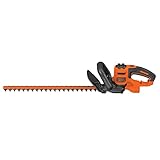
- Corded, adjustable head: Sun Joe SWJ803E (8 A, 10 inch bar, about 8.8 ft, 0 to 30 degree head).
- Corded, more reach: Remington RM1035P (10 inch bar, about 10 ft length, about 12.5 lb).
The best gas and corded pole saws for heavy limbs are the Poulan Pro PR28PS for gas power and a long 12-foot reach, the Remington Maverick RM2599 as a lighter-feeling 25 cc gas option, the Worx WG309 and Sun Joe SWJ803E for corded saws that handle limbs up to about 6 inches, and the Remington RM1035P when you want a corded saw with extra reach. Gas wins when the job is far from an outlet and the limbs are thick; corded wins when the work is near the house and you want easy starts and low noise.
A pole saw puts a short chain and bar on the end of a long shaft so you can cut from the ground. Because the bar is short (8 to 10 inches on every model here), the practical limit is not the bar but the angle, the weight on your arms and the safety of dropping a limb. This guide covers how engine or motor power relates to limb thickness, what reach and weight really mean, and when non-battery power beats cordless for big jobs.
Quick answer: pick by power source and reach
- Most reach with gas power: Poulan Pro PR28PS (28 cc, 8 inch bar, about 12 ft maximum length, shoulder strap included).
- Gas, lighter engine class: Remington Maverick RM2599 (25 cc, 8 inch bar, about 12 ft of working reach).
- Gas, straightforward homeowner saw: Troy-Bilt TB25PS (25 cc, 8 inch bar, about 7 ft shaft, padded handle).
- Corded, strongest lightweight option: Worx WG309 (8 A, 10 inch bar, 8 ft length, about 10 lb, converts to a chainsaw).
- Corded, adjustable head: Sun Joe SWJ803E (8 A, 10 inch bar, about 8.8 ft, 0 to 30 degree head).
- Corded, more reach: Remington RM1035P (10 inch bar, about 10 ft length, about 12.5 lb).
How we chose
This guide is based on research, not personal use of the tools. We compared published specs for engine displacement, motor amperage, bar length, shaft length, weight and start system across gas and corded pole saws sold in 2026, and checked how manufacturers rate them for limb size. Reach figures differ between sources because some state the pole length and others add the user’s standing reach, so we give the shaft or maximum-length number and flag where listings vary. Where a spec could not be confirmed, we describe the saw by class.
How much power do heavy limbs need?
For pole saws, thickness capacity is a practical limit set by bar length, power and your ability to control the cut overhead. As a working rule:
| Limb diameter | Bar length needed | Power class |
|---|---|---|
| Up to 3 inches | 8 inch | Any pole saw, including 8 A corded and small cordless |
| 3 to 6 inches | 8 to 10 inch | 25 to 28 cc gas, or 8 A corded with a sharp chain |
| 6 to 8 inches | 10 inch | 28 cc or larger gas, used with a step cut |
| Over 8 inches | Not a pole saw job | Hire an arborist |
Worked example: choosing for a 5 inch oak limb at 12 feet
- Check the cut width. A 5 inch limb needs a bar at least 2 inches longer than the limb, so 8 inches is the floor and 10 inches is more comfortable.
- Estimate the reach. If you stand 3 feet back from the trunk and the cut point is 12 feet up, you need roughly 12 feet of effective reach. Shaft length plus your 5 to 6 foot standing reach should reach that, so a pole of about 7 to 8 feet suffices.
- Check weight at that reach. At arm’s length, a 14 lb saw feels much heavier than its label because of leverage. Hold times shrink fast, so plan for short cuts and rests.
- Pick power. Oak is dense, so choose 25 to 28 cc gas, or an 8 A corded saw if you can keep the chain sharp and take slow cuts.
- Plan the cut. Use the three-cut method (underside relief cut, top cut, then final cut at the branch collar).
Result: for dense 5 inch limbs at 12 feet, a 28 cc gas saw with a shoulder strap (Poulan Pro PR28PS) or a corded 10 inch saw (Worx WG309 or Remington RM1035P) is the practical shortlist.
Best gas and corded pole saws for heavy limbs
1. Poulan Pro PR28PS (gas)
Spec line: 28 cc 2-cycle · 8 inch bar · about 12 ft maximum length · about 14.2 lb · shoulder strap included · accepts multiple attachments
Best for: Homeowners with large lots and thick limbs who want gas power, reach and a strap to take weight off the arms.
Skip if: You dislike mixing fuel, do not want to maintain a 2-cycle engine, or have only a few small limbs.
- Pros: The largest engine of the saws here, long reach, and a strap supplied. Runs anywhere with no cord.
- Cons: Heavy at the end of a pole. Requires fuel mixing, a pull start, ear protection and routine carburetor and air filter care.
2. Remington Maverick RM2599 (gas)
Spec line: 25 cc 2-cycle · 8 inch bar · 7 ft extension pole for about 12 ft of reach · QuickStart system · automatic oiler
Best for: Pruning mid-height limbs and branches up to about 6 inches without the bulk of a larger engine.
Skip if: You need maximum power for dense hardwood limbs. Note the model line has been succeeded by newer variants, so confirm the current version.
- Pros: Gas power with a simpler start system. Works with several tool attachments.
- Cons: Reach claims vary between listings (10 to 12 ft is common). Fuel mixing and engine upkeep apply.
3. Troy-Bilt TB25PS (gas)
Spec line: 25 cc 2-cycle · 8 inch bar · about 7 ft shaft · about 14 lb · padded handle · Prime, Flip and Go start system
Best for: Standard homeowner pruning and storm cleanup where gas power and independence from outlets matter.
Skip if: You need extra reach. The 7 ft shaft is shorter than on the Poulan Pro.
- Pros: Familiar gas homeowner design, straightforward start.
- Cons: Heavy at about 14 lb. No shoulder strap is confirmed, so arm fatigue arrives quickly.
4. Worx WG309 (corded)
Spec line: 8 A · 10 inch bar · 8 ft length · about 10 lb · automatic oiling · auto-tensioning · converts to a standard chainsaw
Best for: Corded users who want one tool for overhead limbs and ground-level work, with a 10 inch bar for wider cuts.
Skip if: Your work is far from outlets or involves limbs thicker than about 6 inches.
- Pros: Lighter than gas models, no fuel, easy start, 10 inch bar. The 2-in-1 design adds value.
- Cons: 8 A has limited reserve in dense wood. A cord and extension cord add hazards near the cutting area.
5. Sun Joe SWJ803E (corded)
Spec line: 8 A · 10 inch bar · about 8.8 ft length · about 7.9 lb · head adjustable 0 to 30 degrees
Best for: Corded cutting where a lighter body and an angled head help reach awkward limbs.
Skip if: You need a heavy-duty saw for thick, dense limbs.
- Pros: One of the lightest of the group. The adjustable head improves angle control.
- Cons: Same 8 A power ceiling as other corded saws. Reach depends on your standing reach, with the 15 ft figure often quoted being total reach, not shaft length.
6. Remington RM1035P (corded)
Spec line: Corded · 10 inch bar · about 10 ft maximum length · about 12.5 lb
Best for: Corded buyers who need extra reach and a 10 inch bar for tall shrubs and trees near an outlet.
Skip if: Weight bothers you; at 12.5 lb it is heavier than the other corded saws here. Motor amperage is not confirmed in the sources we reviewed.
- Pros: Longer shaft than the other corded picks. Plug-in start with no fuel.
- Cons: Heavier. A long extension cord is required for distant limbs.
7. Echo gas pole pruner class (PPT-2620 and similar)
Spec line: Gas · mid-20 cc class · telescoping or split shaft · professional build quality
Best for: Frequent use and buyers who want a long-lived, serviceable tool with strong dealer support.
Skip if: You cut a few times a year. This is a premium tier, and exact engine and shaft specs vary by version, so confirm before buying.
- Pros: Often named a top gas pick by tool reviewers. Reliable starts and parts availability.
- Cons: Premium cost; more tool than most homeowners need.
Comparison table
| Model | Power | Bar | Length or reach | Weight | Strap |
|---|---|---|---|---|---|
| Poulan Pro PR28PS | 28 cc gas | 8 in | About 12 ft | About 14.2 lb | Included |
| Remington Maverick RM2599 | 25 cc gas | 8 in | 7 ft pole, about 12 ft reach | Not confirmed | Not confirmed |
| Troy-Bilt TB25PS | 25 cc gas | 8 in | About 7 ft | About 14 lb | Padded handle |
| Worx WG309 | 8 A corded | 10 in | 8 ft | About 10 lb | Not confirmed |
| Sun Joe SWJ803E | 8 A corded | 10 in | About 8.8 ft | About 7.9 lb | Not confirmed |
| Remington RM1035P | Corded | 10 in | About 10 ft | About 12.5 lb | Not confirmed |
Gas or corded: when non-battery power wins
| Factor | Gas | Corded | Cordless |
|---|---|---|---|
| Runtime | Until the tank is empty | Unlimited near an outlet | Limited to battery |
| Sustained power on thick limbs | Strong, no fade | Steady, but 8 A caps cutting speed | Fades as the battery drains |
| Range | Anywhere | Cord length | Anywhere |
| Weight at the pole tip | Heaviest | Mid | Often lightest |
| Upkeep | Fuel, filters, spark plug | Chain and oil only | Battery care |
| Noise | Loud | Moderate | Quiet |
Choose gas when you have a large property, thick limbs and no outlet nearby. Choose corded when you work within a cord’s reach, want easy starts and don’t want to handle fuel. Cordless fits light, short jobs and small yards, but its power and runtime drop on thick limbs.
Weight, strap and fatigue
The weight printed on a pole saw does not tell the whole story. The farther the saw head is from your body, the more it strains your arms, shoulders and back. A 14 lb saw held at a 45 degree angle can feel like it weighs twice as much. Look for:
- A shoulder strap that moves part of the load to your torso. It is standard on some gas saws, such as the Poulan Pro PR28PS.
- A balanced grip position near the engine or motor, rather than the pole’s end.
- Short work sessions with rests, especially with gas models over 14 lb.
- Two hands on the pole at all times.
Safety for overhead pole saw work
- Keep clear of power lines. Stay at least 10 feet from any line, and never use a pole saw if a limb could contact a line. Poles, including fiberglass ones, can conduct electricity when wet or dirty.
- Wear a hard hat, eye protection, hearing protection, gloves and sturdy boots. Limbs and debris fall toward you.
- Set a drop zone. Clear people and pets. Do not stand directly under the limb; stand to the side and stay clear of the falling path.
- Use the three-cut method on limbs thicker than about 2 inches to prevent bark tearing and pinching the bar.
- Control kickback. Do not cut with the bar tip, and keep the saw below a 60-degree angle to the ground, so falling wood does not travel down the pole.
- Corded saws: use an outdoor-rated extension cord, a GFCI outlet, keep the cord away from the cutting path, and do not use in rain.
- Gas saws: fuel and refuel with the engine off and cool, mix fuel to the ratio on the label, and run the saw outdoors only.
- Know the limit. Large, tensioned, dead or storm-damaged limbs and any work near structures call for a certified arborist.
Matching the saw to your property
| Situation | Pick | Why |
|---|---|---|
| Acre lot, thick oak or maple limbs, no outlet nearby | Poulan Pro PR28PS | Most engine, reach and strap |
| Mid-size lot, mixed limbs, want gas | Remington Maverick RM2599 or Troy-Bilt TB25PS | 25 cc gas power |
| Yard near the house, easy starts and low upkeep | Worx WG309 | Corded with 10 inch bar and 2-in-1 use |
| Awkward angles, lighter tool | Sun Joe SWJ803E | Adjustable head and low weight |
| Taller trees near an outlet | Remington RM1035P | Extra shaft length |
| Frequent professional-style use | Echo gas pole pruner class | Durable build and dealer support |
Maintenance basics
- Check chain oil before each use and keep the bar groove clean. Pole saw chains run dry quickly at height.
- Keep the chain sharp. A dull chain slows the cut and increases the time the saw is overhead.
- Gas models: use fresh fuel mixed to the label ratio, clean the air filter and replace the spark plug annually. Store with an empty tank or stabilized fuel.
- Corded models: inspect the cord and plug before each use and replace a damaged cord.
- Store with the bar cover on and the saw dry.
Frequently asked questions
How thick a limb can a pole saw cut?
Most pole saws handle limbs up to about 6 to 8 inches with an 8 to 10 inch bar, but practical limits are lower overhead.
For limbs over 6 inches, or any limb that is under tension, dead or near structures, hire an arborist rather than relying on a homeowner pole saw.
Is gas or corded better for heavy limbs?
Gas is better for thick limbs and large properties because it keeps full power and has no cord. Corded is better near an outlet for easy starts.
An 8 A corded saw can cut 4 to 6 inch limbs with a sharp chain, but it works more slowly in dense hardwood than a 25 to 28 cc gas saw.
How much reach do I really get?
Reach equals the pole length plus your standing reach, which adds about 5 to 6 feet. A saw listed at 8 feet of length can reach roughly 13 to 14 feet.
Listings differ because some quote pole length and others quote total reach, so compare the shaft length in the spec list.
Do I need a shoulder strap?
For gas saws and any saw over about 10 lb, a strap helps considerably. It moves load from your arms to your shoulder and torso.
The Poulan Pro PR28PS includes one. Check whether your chosen model ships with a strap or accepts an aftermarket strap before buying.
How far should I stand from power lines?
Stay at least 10 feet away from power lines, and do not use a pole saw where a limb could fall onto or contact a line.
Fiberglass poles are not a guarantee of insulation when wet, dirty or damaged. For limbs near lines, call the utility or a qualified arborist.
Can I use a corded pole saw in the rain?
No. Do not use a corded pole saw in rain or on wet ground. Water and electricity create a shock risk.
Use a GFCI-protected outlet and an outdoor-rated extension cord, and keep connections off wet surfaces.
What is the three-cut method?
Make a shallow cut on the underside a short distance from the trunk, then a top cut slightly farther out, then a final cut at the branch collar.
The first two cuts remove the weight and stop the bark tearing down the trunk or pinching the bar, so the last cut is clean and controlled.
When does a cordless pole saw make more sense?
For small yards, short jobs and limbs under about 4 inches, a cordless saw is lighter and quieter, with no fuel or cord.
For heavy limbs, long sessions or big cleanups, gas and corded saws deliver steadier power and unlimited runtime.
Bottom line
For heavy limbs, a 25 to 28 cc gas pole saw such as the Poulan Pro PR28PS or Remington Maverick RM2599 gives the most reach and the steadiest power away from outlets. Near the house, a corded 10 inch saw like the Worx WG309, Sun Joe SWJ803E or Remington RM1035P offers easy starts and less upkeep. Use a strap, keep clear of power lines and leave very thick, tensioned or storm-damaged limbs to a certified arborist.





Write Your Review
No reviews yet. Be the first to share your experience!