

Key takeaways
- Best overall for frequent paddling: NRS Ninja PFD
- Best for hot weather and maximum ventilation: Astral V-Eight
- Best budget-friendly option: Onyx MoveVent Dynamic
- Best for a close, athletic fit: Stohlquist Edge
- Best when storage matters: a front-entry rescue-style Type III PFD with a larger zippered pocket, rather than a minimalist inflatable belt
The best paddle board life jackets are low-profile, U.S. Coast Guard-approved PFDs with enough adjustment to stay secure, open sides or ventilation for paddling, and pockets that do not interfere with your stroke; for most recreational paddlers, a breathable Type III vest is the safest all-around choice.
Our top picks
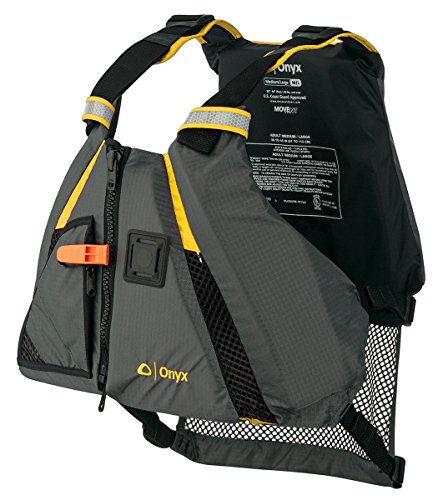

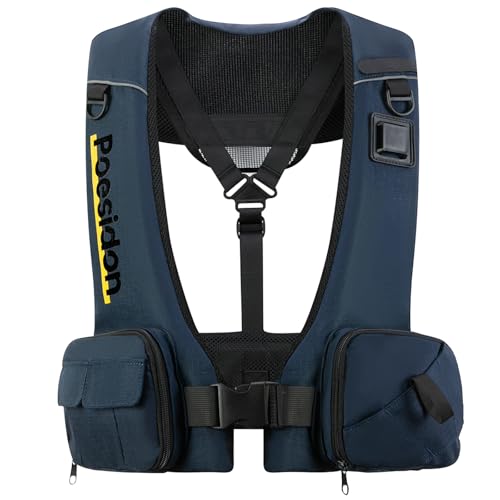

As an Amazon Associate we earn from qualifying purchases at no extra cost to you. Ratings are shown as listed on Amazon.
Best paddle board life jackets by paddling situation
- Best overall for frequent paddling: NRS Ninja PFD
- Best for hot weather and maximum ventilation: Astral V-Eight
- Best budget-friendly option: Onyx MoveVent Dynamic
- Best for a close, athletic fit: Stohlquist Edge
- Best when storage matters: a front-entry rescue-style Type III PFD with a larger zippered pocket, rather than a minimalist inflatable belt
These recommendations assume recreational stand-up paddleboarding on sheltered or moderately protected water. A PFD is not a substitute for checking local regulations, wearing a leash where appropriate, or choosing equipment suited to wind, current, water temperature, and your swimming ability.
Head-to-head comparison
| Model or type | U.S. Coast Guard status | Typical adult sizing | Buoyancy | Notable design | Typical price range |
|---|---|---|---|---|---|
| NRS Ninja | USCG-approved Type III | Approximately 31–49 in chest, depending on size | Approximately 16.5 lb | Low-profile front, multiple adjustment points, shoulder and side ventilation | $130–$160 |
| Astral V-Eight | USCG-approved Type III | Approximately 31–51 in chest, depending on size | Approximately 16 lb | Highly ventilated back, breathable construction, front entry | $150–$180 |
| Stohlquist Edge | USCG-approved Type III | Approximately 30–52 in chest, depending on size | Approximately 15.5 lb | Adjustable shoulders and sides, compact torso, front zip | $100–$140 |
| Onyx MoveVent Dynamic | USCG-approved Type III | Approximately 30–52 in chest, depending on size | Approximately 15.5 lb | Mesh lower back, front zip, reflective details and storage pockets | $70–$110 |
| Inflatable waist-belt PFD | Approval varies by model and use conditions | Usually adjustable across a broad waist range | Often approximately 15.7 lb when inflated | Minimal bulk, but requires manual or automatic inflation and regular inspection | $60–$180 |
Published specifications can change by size, color, and production year, so check the label and current manufacturer documentation before buying. The most important distinction is approval: “buoyancy aid,” “impact vest,” and “paddle vest” do not automatically mean the product is a legal life jacket.
Why USCG approval matters on a paddle board
In the United States, a wearable PFD should display the Coast Guard approval information and be the correct size for the wearer. A Type III PFD is commonly chosen for paddleboarding because it allows active movement and is comfortable while seated, kneeling, or standing. It is not designed to turn every unconscious wearer face-up, so it must be worn correctly and does not eliminate the need for prudent water-safety decisions.
Inflatable belts deserve extra scrutiny. Some are approved only when worn on the person, may require the user to be at least 16 years old, and may not be suitable for non-swimmers, rough conditions, or activities where falling into cold water is likely. A manual-inflation belt also provides no flotation until the wearer pulls the inflation handle. For a first PFD, children, weak swimmers, and cold-water paddlers, a foam vest is generally the less complicated choice.
Fit is more important than the highest buoyancy number
Most adult recreational Type III PFDs provide roughly 15.5 to 16.5 pounds of buoyancy. That difference is rarely as important as whether the vest stays in place when you fall. Measure chest circumference at the fullest point, follow the individual manufacturer’s size chart, and account for the clothing you will actually wear.
A practical fit check
- Put on the vest over your normal paddling layer and fasten every buckle or zipper.
- Tighten the lower straps first, then the upper straps, until the foam is close to your body without restricting breathing.
- Raise both arms and have another person pull upward firmly on the shoulder areas.
- If the vest rides toward your ears, exposes your ribs, or allows your chin to pass through the neck opening, it is too loose or the wrong size.
- Repeat the check while seated and while rotating your torso as if taking a paddle stroke.
Do not size a PFD by body weight alone. Chest measurement, torso shape, clothing, and the position of the arm openings all affect security and mobility.
Mobility, ventilation, and comfort for long sessions
A paddleboard PFD should leave the shoulders free and avoid a thick foam panel directly under the armpits. High armholes and segmented foam reduce rubbing during repeated strokes. Side-entry designs can feel less bulky around the chest, while front-zip designs are usually simpler to put on and adjust.
Ventilation becomes important after an hour in direct sun. The Astral V-Eight uses a notably open, ventilated back, making it attractive for warm climates and paddlers who sweat heavily. The NRS Ninja also emphasizes a low-profile paddling shape and broad adjustment. Mesh panels on the Onyx MoveVent Dynamic can improve airflow, although its overall construction is more conventional and may feel bulkier on a small torso.
Comfort is not merely a luxury. A vest that chafes or overheats is more likely to be loosened, removed, or left behind. Try the PFD with your board’s leash belt, light wind layer, and normal paddle clothing before committing to a long-distance outing.
Pockets and useful storage
Minimalist PFDs are often better for unrestricted stroke movement, but a small pocket is useful for a whistle, waterproof phone case, sunscreen, or energy gel. Avoid loading a chest pocket with hard objects that can press into your ribs during a fall. A large pocket can also alter the fit as it fills.
Keep essential safety equipment accessible rather than buried in a board bag. A whistle attached to the PFD is more useful than one stored on the deck. For remote trips, consider a separate dry bag or deck bag for navigation equipment, first aid supplies, water, and communication devices; a PFD pocket is not a replacement for those items.
Decision matrix: which type suits you?
| Your situation | Best choice | Why | Trade-off |
|---|---|---|---|
| New paddler or occasional rental user | USCG-approved foam Type III | Simple, visible, wearable before entering the water | Warmer and bulkier than an inflatable belt |
| Daily summer paddling | Highly ventilated foam vest | Better airflow and comfort over repeated sessions | Usually costs more |
| Budget under $100 | Basic approved front-zip Type III | Provides certified flotation without premium materials | Less refined fit and fewer ventilation panels |
| Long touring trips | Low-profile vest with secure pocket and multiple adjustments | Balances mobility, storage, and all-day fit | More straps and hardware to inspect |
| Maximum freedom of movement, strong swimmer, approved conditions | Approved inflatable belt | Very low bulk while paddling | Requires correct activation, maintenance, and compliance with limitations |
Ownership details that affect safety
Fresh water, salt, sunscreen, and sweat gradually damage fabric, buckles, and inflation components. After each outing, rinse a foam PFD with fresh water, let it dry completely in shade, and store it loosely in a dry, ventilated place. Do not machine-wash it, leave it compressed under heavy gear, or dry it against a hot radiator.
Inspect the foam for compression, tears, or waterlogging and check that every buckle clicks securely. The parts most likely to wear first are shoulder and side adjustment straps, zipper teeth, buckles, and high-abrasion areas near the board or leash. Replace a PFD if the flotation foam is damaged or no longer returns to its original shape.
Inflatable models have additional ownership costs. Depending on the design, you may need replacement CO2 cylinders, bobbins, cartridges, or oral-inflation components. Check the cylinder expiration and activation system before every season, and follow the manufacturer’s inflation and leak-test procedure. A cheaper inflatable can become more expensive over several years if its consumables are difficult to source.
Bottom line
For most paddleboarders, choose a properly fitted, USCG-approved foam Type III vest. Pick the Astral V-Eight for hot-weather ventilation, the NRS Ninja for a low-profile paddling fit, the Stohlquist Edge for compact adjustability, or the Onyx MoveVent Dynamic when keeping the purchase near the budget range matters most. Choose an inflatable belt only when its approval, age restrictions, water conditions, maintenance requirements, and your swimming ability all make it appropriate.

Write Your Review
No reviews yet. Be the first to share your experience!