

Key takeaways
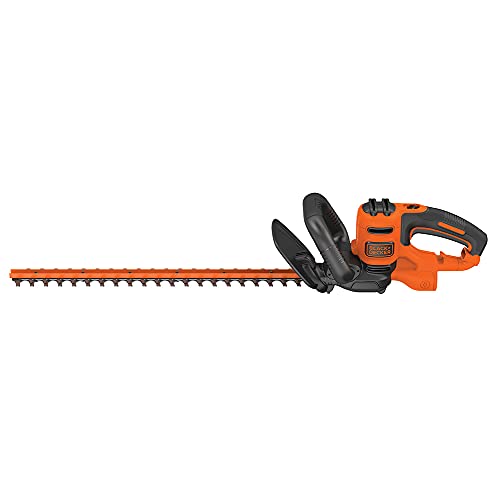
- Best all-round corded trimmer: Black+Decker BEHT350FF (22 in, 4.0 A, about 6.2 lb).
- Best for thicker branches: Black+Decker BEHTS300 (20 in, 3.8 A, saw tip cuts to 1.5 in).
- Best for long, formal hedges: Craftsman CMEHTS824 (24 in, 4.0 A, saw feature).
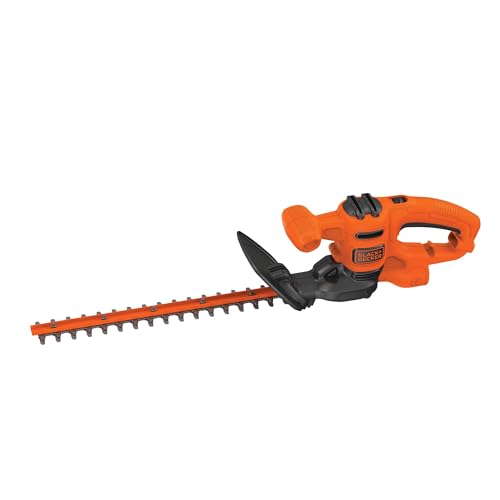
- Best lightweight for small hedges: Black+Decker BEHT200 (18 in, 3.5 A, about 4.5 lb).
- Best for tight spaces and shaping shrubs: Black+Decker BEHT100 (16 in, 3.0 A, about 4.6 lb).
- Best 22-inch alternatives: Greenworks 4 Amp 22-inch and Toro 51490 (22 in, 4.0 A).
The best corded electric hedge trimmers for a medium yard are the Black+Decker BEHT350FF (22-inch blade, 4-amp motor) for general shaping, the Black+Decker BEHTS300 (20-inch blade, 3.8-amp motor, with a saw tip) when hedges have thick stems, and the Craftsman CMEHTS824 (24-inch blade, 4-amp motor) for long, flat runs. Corded trimmers never run out of charge, so the real decisions are amp rating, blade length, cutting capacity, weight, and whether your outlet and extension cord can actually reach the whole hedge.
Corded trimmers cost less than comparable battery models, weigh less because there is no battery, and run as long as you like. The trade-offs are the cord itself and a practical limit on how far from an outlet you can work. This guide compares amp ratings, blade length, cutting capacity, weight and the extension cord gauge you need, so you can decide whether corded is right for a medium yard and which model suits your hedges.
Our top picks


As an Amazon Associate we earn from qualifying purchases at no extra cost to you.
Quick picks
- Best all-round corded trimmer: Black+Decker BEHT350FF (22 in, 4.0 A, about 6.2 lb).
- Best for thicker branches: Black+Decker BEHTS300 (20 in, 3.8 A, saw tip cuts to 1.5 in).
- Best for long, formal hedges: Craftsman CMEHTS824 (24 in, 4.0 A, saw feature).
- Best lightweight for small hedges: Black+Decker BEHT200 (18 in, 3.5 A, about 4.5 lb).
- Best for tight spaces and shaping shrubs: Black+Decker BEHT100 (16 in, 3.0 A, about 4.6 lb).
- Best 22-inch alternatives: Greenworks 4 Amp 22-inch and Toro 51490 (22 in, 4.0 A).
How we chose
This is a research-based comparison. We did not run cutting trials. We compared manufacturer specification sheets and published product listings, cross-checked amp rating, blade length, cutting capacity and weight, and kept models where at least two sources agreed. Where a figure differed between sources, we say so or describe the class instead. Our criteria:
- Amp rating: more amps generally means more cutting torque in thicker growth.
- Blade length: longer blades cover more hedge per pass but add leverage and fatigue.
- Cutting capacity: the maximum branch thickness the blades can cut cleanly.
- Weight and balance: weight is the main fatigue factor on a corded trimmer.
- Safety features: two-hand operation, blade guard, cord retention.
- Cord compatibility: how well the model works with a realistic extension cord run.
Corded versus cordless for a medium yard
| Factor | Corded | Cordless |
|---|---|---|
| Runtime | Unlimited | Limited by battery; typically one session per charge |
| Weight | Lighter, no battery | Heavier because of the battery |
| Cost | Entry-level to mid-range | Mid-range to premium once battery and charger are included |
| Reach | Limited by cord length and outlets | Go anywhere on the property |
| Maintenance | Blade cleaning and oiling | Same, plus battery care |
| Best yard size | Small to medium with outlets near hedges | Medium to large or cord-free areas |
If every hedge is within about 100 feet of an outdoor outlet, corded is usually the lowest-cost, lowest-hassle choice. If hedges sit on the far side of the lot, or you do not want to manage a cord around trees and beds, a cordless trimmer is worth the extra spend.
Compare the models
| Model | Blade length | Motor | Cutting capacity | Weight |
|---|---|---|---|---|
| Black+Decker BEHT100 | 16 in | 3.0 A | 5/8 in | about 4.6 lb |
| Black+Decker BEHT200 | 18 in | 3.5 A | 5/8 in | about 4.5 lb |
| Black+Decker BEHTS300 | 20 in | 3.8 A | 3/4 in blade, 1.5 in saw tip | 5.5 to 6.3 lb depending on source |
| Black+Decker BEHT350FF | 22 in | 4.0 A | 3/4 in | about 6.2 lb |
| Greenworks 4 Amp 22-inch | 22 in | 4.0 A | Not confirmed | about 7 lb |
| Toro 51490 | 22 in | 4.0 A | Not confirmed | Not confirmed |
| Craftsman CMEHTS824 | 24 in | 4.0 A | 3/4 in blade, 1.5 in saw feature | Not confirmed |
The products
1. Black+Decker BEHT350FF
Spec line: 22 in blade · 4.0 A · 3/4 in cutting capacity · about 6.2 lb · built-in cord retainer
Best for: Medium yards with privet, boxwood, arborvitae and other hedges that need regular shaping.
Skip if: You have hedges with stems thicker than 3/4 inch that need a saw tip.
- Pros: The most balanced size, dual-action blades that reduce vibration, a cord retainer that keeps the extension cord from pulling loose, and easy cleaning.
- Cons: No saw tip, and the blade length can feel long on small shrubs.
2. Black+Decker BEHTS300
Spec line: 20 in blade · 3.8 A · 3/4 in blade capacity · saw tip to 1.5 in · about 5.5-6.3 lb
Best for: Overgrown hedges where you hit the occasional thick branch and do not want to switch tools.
Skip if: You maintain tidy hedges and never meet branches thicker than 3/4 inch, in which case a lighter model costs less and saves effort.
- Pros: The saw tip handles stems up to about 1.5 inches, a 20-inch blade is easier to control than a 22 or 24, and the 3.8-amp motor is close to the top of this class.
- Cons: Sources disagree on weight, a saw tip is not a replacement for a pruning saw on larger limbs, and the extra part adds a little weight at the tip.
3. Craftsman CMEHTS824
Spec line: 24 in blade · 4.0 A · 3/4 in blade capacity · saw feature to 1.5 in · rotating handle
Best for: Long, level hedges where a longer blade means fewer passes.
Skip if: You work overhead often or find a longer blade tiring; the leverage grows with blade length. We could not confirm one weight across sources, so check the label.
- Pros: The longest blade here, a rotating handle for trimming sides and tops, and a saw feature for thicker stems.
- Cons: Likely heavier at the tip than shorter models, and overkill for small hedges.
4. Black+Decker BEHT200
Spec line: 18 in blade · 3.5 A · 5/8 in capacity · about 4.5 lb · full-length trigger and cord retention
Best for: Small and medium hedges when low weight matters more than blade length.
Skip if: You have overgrown, woody hedges that need more torque.
- Pros: Light, easy to control, and a full-length trigger makes it comfortable to hold.
- Cons: The 5/8-inch capacity is below the 22-inch models, and an 18-inch blade makes more passes on long runs.
5. Black+Decker BEHT100
Spec line: 16 in blade · 3.0 A · 5/8 in capacity · about 4.6 lb · rear handle with rotation
Best for: Shaping shrubs, topiary and tight areas.
Skip if: You have long hedges; a 16-inch blade is slow on anything over about 20 feet.
- Pros: Compact, light, and a rotating rear handle lets you cut at different angles.
- Cons: The lowest power in the group, short blade, and not made for thick growth.
6. Greenworks 4 Amp 22-inch
Spec line: 22 in blade · 4.0 A · about 7 lb
Best for: Buyers who want a 22-inch, 4-amp trimmer from a different brand than Black+Decker.
Skip if: Light weight is your top priority; it is the heaviest model with a published weight in this guide.
- Pros: Same blade length and motor class as the leaders.
- Cons: Heavier, and we could not confirm a published cutting capacity.
7. Toro 51490
Spec line: 22 in blade · 4.0 A
Best for: Owners who prefer the Toro brand and want a 22-inch corded trimmer.
Skip if: You need confirmed weight and capacity before buying. Neither figure could be verified from the sources we compared, so read the label or manual first.
- Pros: Matches the 22-inch, 4-amp class.
- Cons: Fewer verified specs than the Black+Decker models.
Match the trimmer to the hedge
| Hedge condition | Blade length | Minimum amps | Good fit |
|---|---|---|---|
| Small shrubs, topiary | 16-18 in | 3.0 | BEHT100, BEHT200 |
| Regularly trimmed hedges, stems under 1/2 in | 20-22 in | 3.5-4.0 | BEHT350FF, Toro 51490 |
| Overgrown with some stems up to 3/4 in | 20-22 in | 3.8-4.0 | BEHTS300, BEHT350FF |
| Occasional thick stems to 1.5 in | 20-24 in with saw tip | 3.8-4.0 | BEHTS300, Craftsman CMEHTS824 |
| Long formal hedges | 22-24 in | 4.0 | CMEHTS824, BEHT350FF |
A good rule: choose the longest blade you can hold comfortably for a full session. If the trimmer feels heavy after ten minutes, pick a shorter blade.
Extension cord gauge and reach
A trimmer on an undersized cord loses voltage, heats the motor and cuts weakly. Lower gauge numbers mean thicker wire. As general guidance for a 3-4 amp trimmer, use a cord labeled for outdoor use with a grounded plug:
| Total cord run | Suggested minimum gauge |
|---|---|
| Up to 50 feet | 16 AWG |
| 50 to 100 feet | 14 AWG |
| Over 100 feet | 12 AWG, or move the outlet closer |
Always follow the trimmer manual, because it may specify a heavier gauge. When in doubt, step one gauge heavier. Use a cord with a ground-fault protected outlet outdoors, and never use a damaged cord.
Cord-handling habits that prevent accidents
- Loop the cord into the built-in retainer or tie a loose knot so it cannot pull out as you move.
- Keep the cord behind you and over your shoulder away from the blade at all times.
- Work away from the outlet so the cord trails behind you on trimmed ground.
- Unplug the trimmer whenever you clear a jam, adjust it, or put it down.
- Do not trim in wet conditions or with wet hands.
Worked example: can a corded trimmer cover your yard?
Use these steps to decide. The numbers here are an illustration; replace them with your own measurements.
- Find the farthest point. Measure from the nearest outdoor outlet along the cord path to the farthest hedge end. Say 70 feet.
- Add slack. Add 15 to 20 percent for turns, corners and working around obstacles. 70 feet becomes about 85 feet.
- Select the cord. From the cord table, 85 feet needs 14 AWG. A 100-foot cord of that gauge covers it, with margin.
- Check for a second outlet. If the farthest hedge is more than 100 feet from any outlet, a corded trimmer is awkward and a cordless model may be better.
- Estimate the work. Suppose 60 feet of hedge, 5 feet tall. A 22-inch blade covers about 1.8 feet per pass, so each side of the hedge takes roughly 33 passes at full length, plus the top. Expect a couple of hours with breaks.
- Check fatigue. A trimmer around 6 pounds held at arm’s length for a session is tiring. Choose an 18-inch, 4.5-pound model if your hedge is short and low, or a lighter overall setup if you tire easily.
- Decide. If the cord can reach and the hedge is under about 100 feet total, corded is the best value. Otherwise go cordless or consider a pole-style trimmer for tall sections.
Safety and technique
- Wear eye protection, hearing protection and gloves. Long pants and sturdy shoes are advisable.
- Hold the trimmer with both hands on the designated handles, and keep your body clear of the blade path.
- Do not use ladders with a powered trimmer; use a pole trimmer for tall hedges.
- Inspect the cord and plug before every session.
- Keep children and pets away from the work area.
- Trim the sides of the hedge from bottom to top, with the hedge slightly wider at the bottom than the top so sunlight reaches the lower leaves.
- Check for nesting birds before trimming in spring and early summer.
- Store with the blade guard on and the blades lightly oiled.
Blade care
- Wipe sap and debris from the blades after every session.
- Apply a light machine oil or blade lubricant to the blades before and after use.
- Do not force a blade through a branch it cannot cut; stop and switch to a pruner or saw.
- Replace or sharpen dull blades. Torn, ragged cuts mean they need attention.
Who should skip corded
Skip a corded trimmer if your hedges sit more than about 100 feet from an outdoor outlet, if you trim around many trees, fences or beds that snag a cord, or if you want to work without managing a cable. In those cases a cordless trimmer is easier to use even though it costs more and runs for a limited time per charge. Corded also makes less sense for very tall hedges, where a pole-style trimmer is safer than reaching overhead with a hand-held tool.
Frequently asked questions
What is the best corded hedge trimmer?
The Black+Decker BEHT350FF is the best all-round corded model. It has a 22-inch blade, a 4-amp motor and 3/4-inch capacity. Choose the BEHTS300 if thick stems are common.
How many amps do I need in a corded hedge trimmer?
Most hedges need 3.5 to 4 amps. Three amps handles small shrubs and soft growth, while 4 amps copes better with dense hedges and stems near 3/4 inch.
What blade length is best?
For most medium yards, 20 to 22 inches is the best balance. Use 16 to 18 inches for small shrubs and tight areas, and 24 inches only for long, flat runs.
What extension cord should I use?
Use an outdoor-rated, grounded cord. As general guidance, 16 AWG up to 50 feet and 14 AWG up to 100 feet, and always follow the trimmer manual.
Is corded better than cordless?
Corded is better when outlets are close because it is lighter, cheaper and never runs out. Cordless is better when hedges are far from power or you want no cord to manage.
How thick a branch can a hedge trimmer cut?
Most corded models cut stems up to 5/8 or 3/4 inch. Saw-tip models such as the BEHTS300 handle up to about 1.5 inches. Use loppers or a pruning saw beyond that.
How heavy should a hedge trimmer be?
Between about 4.5 and 6.5 pounds suits most users. Lighter models reduce fatigue on long jobs, while heavier ones usually have longer blades or more power.
How do I keep the cord from getting cut?
Keep the cord behind you, use the built-in cord retainer, and work away from the outlet. Unplug before clearing jams, and never let the cord rest on the hedge you are trimming.





Write Your Review
No reviews yet. Be the first to share your experience!